Why is our tuna

the best?

Because we select the finest tuna species.

Mediterranean bluefin tuna

is the finest, largest and most sought-after species of tuna. Its deep-pink flesh is rich in nutrients and has a pleasant, distinctive flavour. Thunnus thynnus chooses the warm waters of the Mediterranean to reproduce.

Albacore tuna

Also known as white tuna, albacore tuna is characterised by its smaller size and long pectoral fins. This species inhabits the warm waters of the Cantabrian Sea and the Mediterranean Sea, particularly those around Sicily and along the Ionian coast of Calabria. Its reputation is due to its pinkish-white flesh, which is leaner and more tender than that of other species.

Yellowfin tuna

Yellowfin tuna is the species most widely used in our production. Its name derives from the bright yellow colour of its fins. It is widely distributed throughout the warm seas of the world, particularly in the western Pacific Ocean, the Indian Ocean and the southern Atlantic Ocean. Its flesh is pink, tender yet firm, and has a delicate flavour.

Because we have always processed our raw materials in a region where this is a long-standing tradition.

Pizzo

Our story begins in Pizzo, a place where tuna fishing and processing have been a tradition for centuries. The waters around Pizzo have been renowned for their abundance since the 15th century. Their temperature, salinity and clarity, together with the favourable climate and calm conditions, made these waters particularly rich in fish. In fact, Pizzo was home to two tuna traps, the tonnara d’a Gurna and the tonnara d’a Praja, which remained in operation until 1963 and 1956, respectively.

Maierato

Today, the heart of our company lies in the industrial area of Maierato, a small town in the province of Vibo Valentia. This is where our production plant is located. It covers an area of approximately 15,500 square metres, 10,000 of which are covered. Our recently built administrative headquarters is a modern building situated close to the production plant. This choice enables us to ensure continuous synergy among all areas of the business.

Why we still follow the ancient craft of master tuna processors

1. Butchering

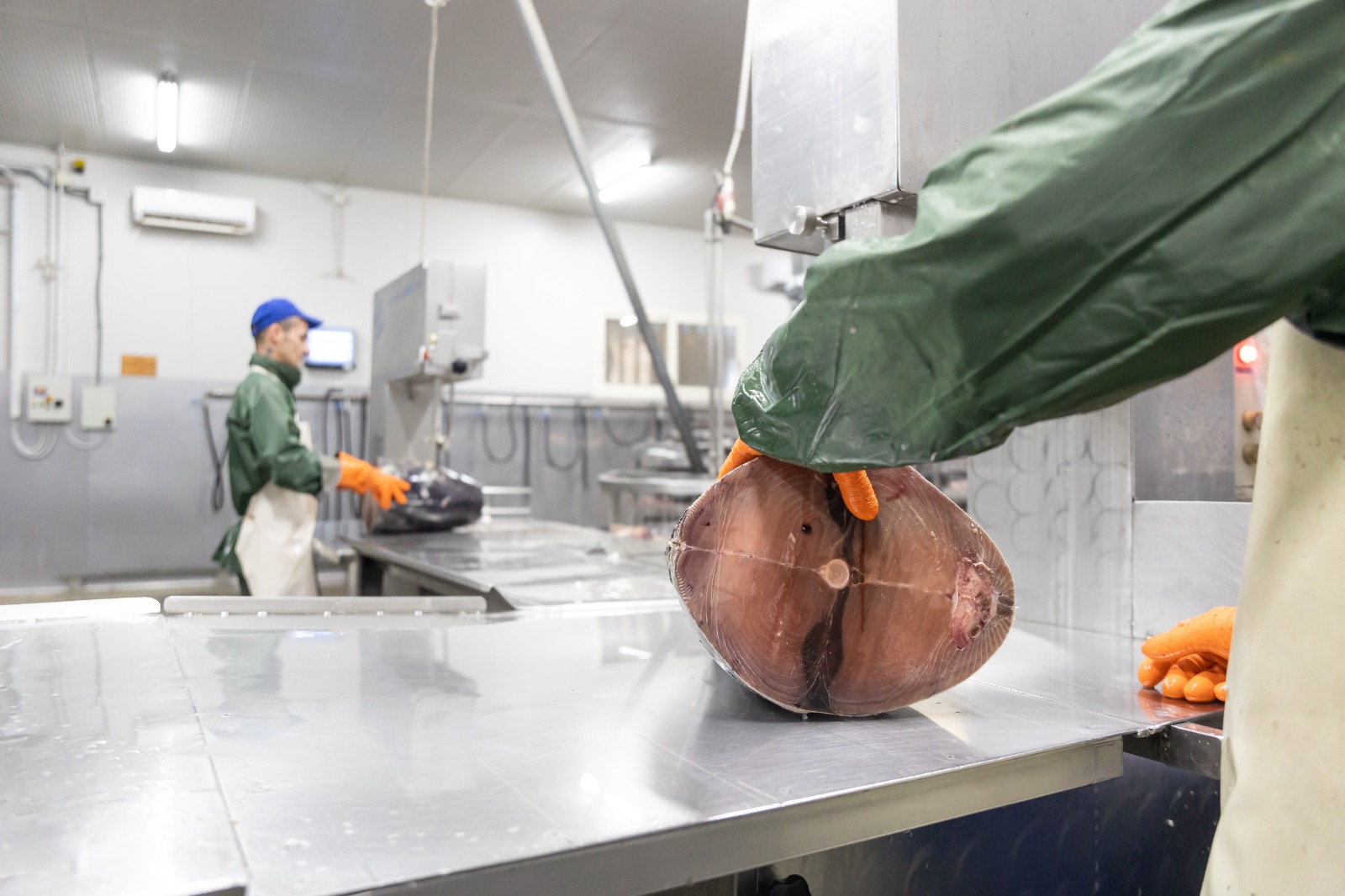
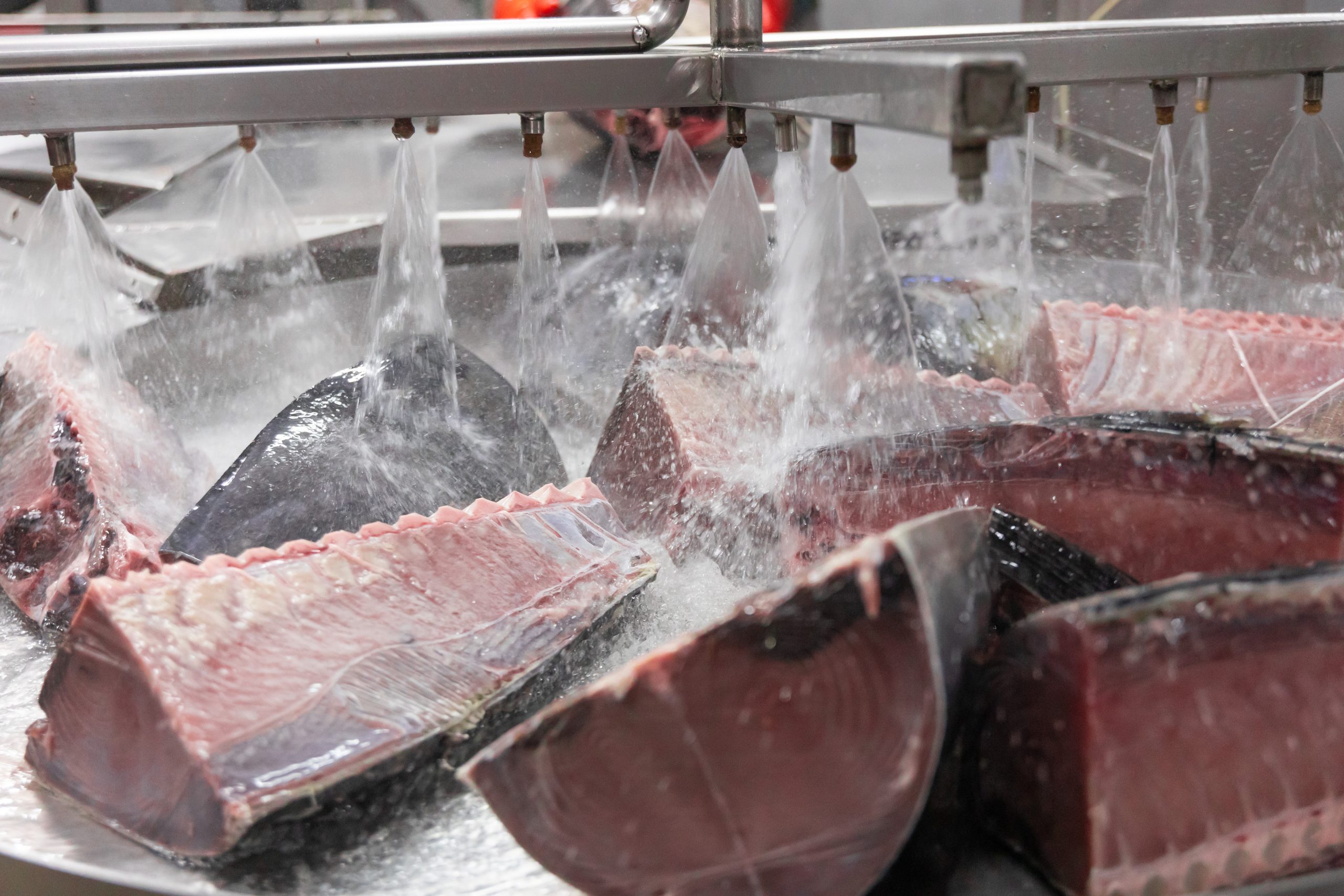
The whole tuna arriving at the plant is beheaded, gutted and tailed. It is then cut into appropriately sized pieces by skilled operators and washed under running water to facilitate bleeding.

2. Cooking

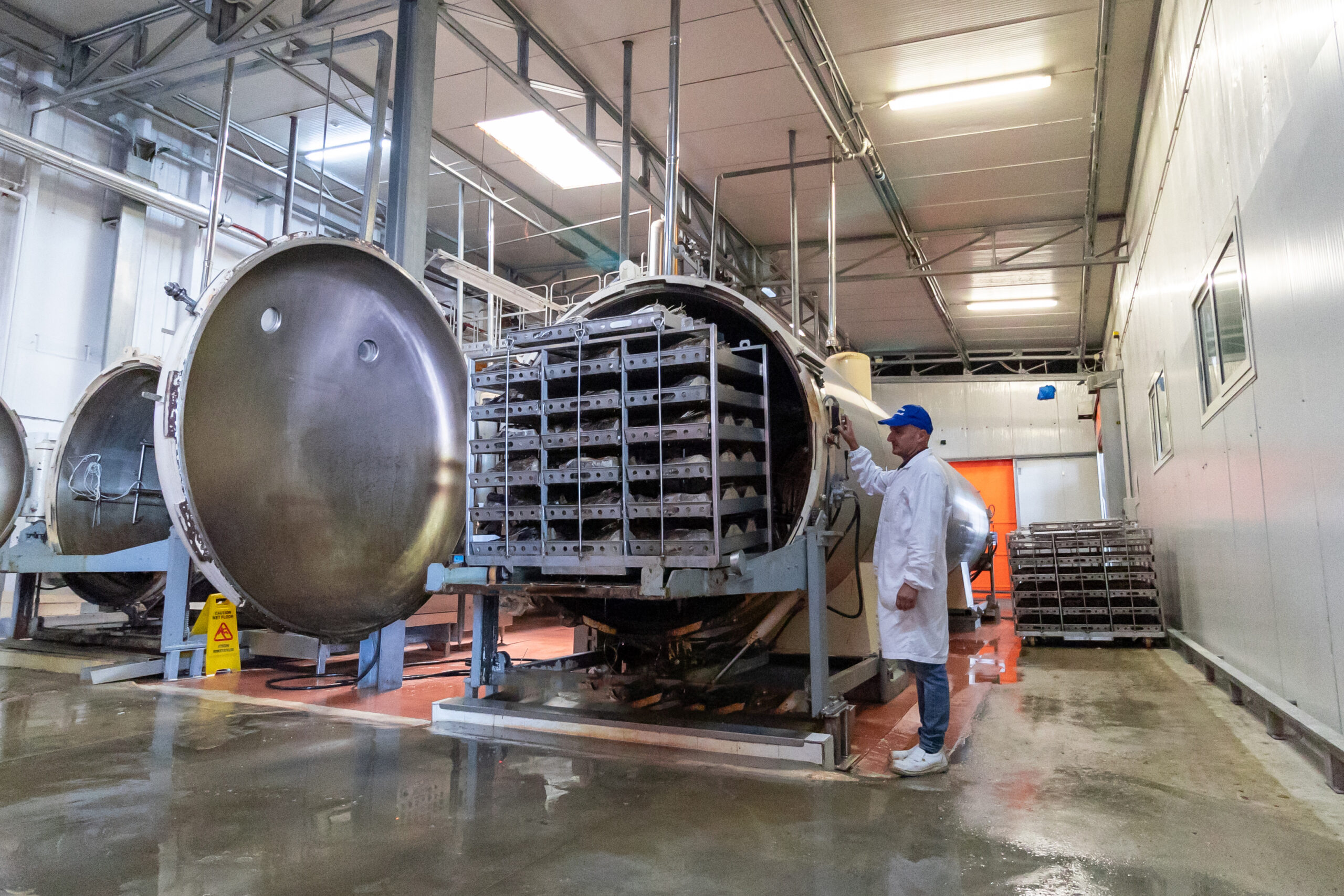
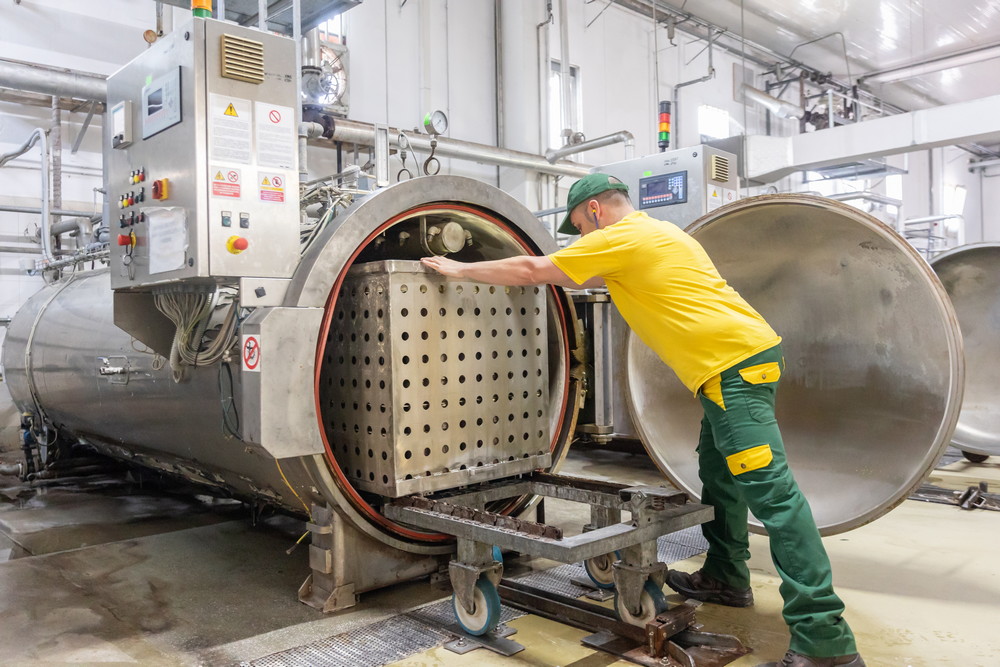
The tuna pieces are steam-cooked in hermetically sealed autoclaves. Steam cooking also helps preserve all the fish’s nutritional properties.

3. Initial cleaning

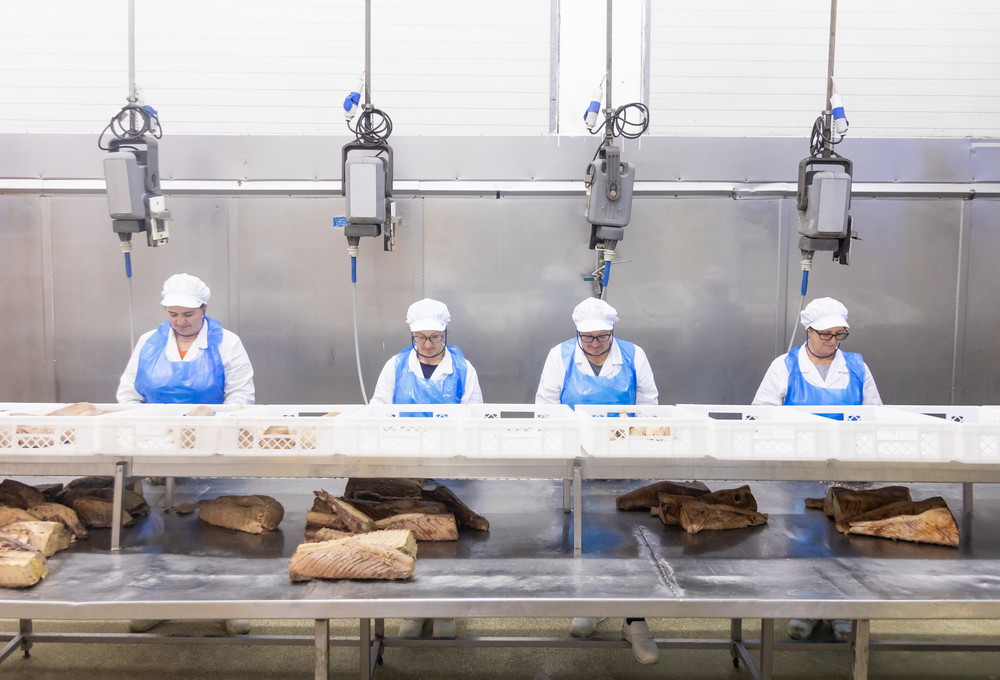
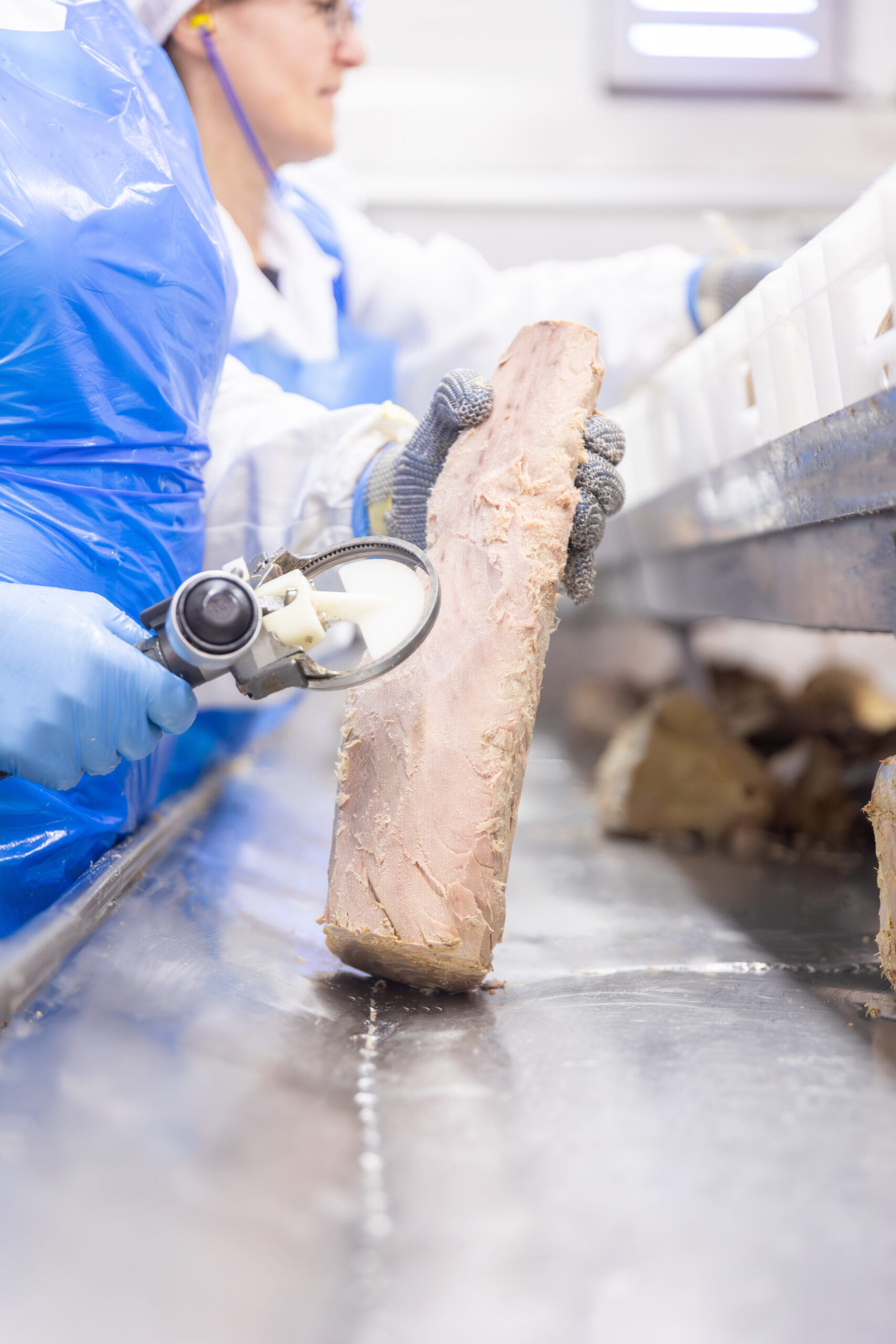
The cooked tuna pieces, while still hot, are skinned and deboned. This operation is carried out entirely by hand by our female staff. From this stage onwards, women play a truly vital role.

4. Final cleaning

The dark parts are then removed, and the raw material to be used for the production of tins and jars is selected. This task has traditionally been entrusted to our most experienced female workers.

5. Canning and jarring

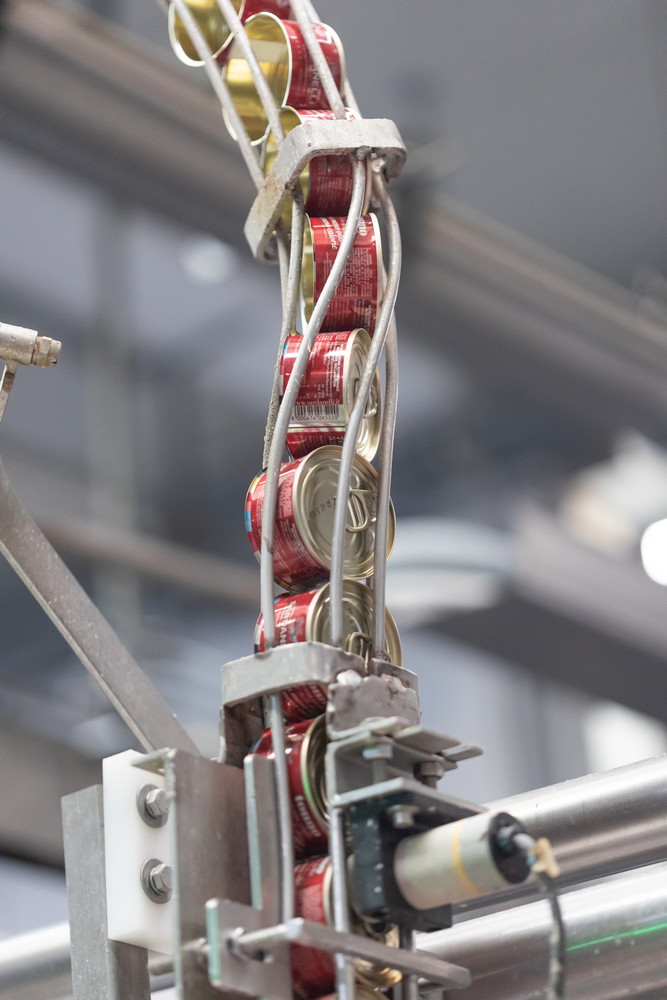
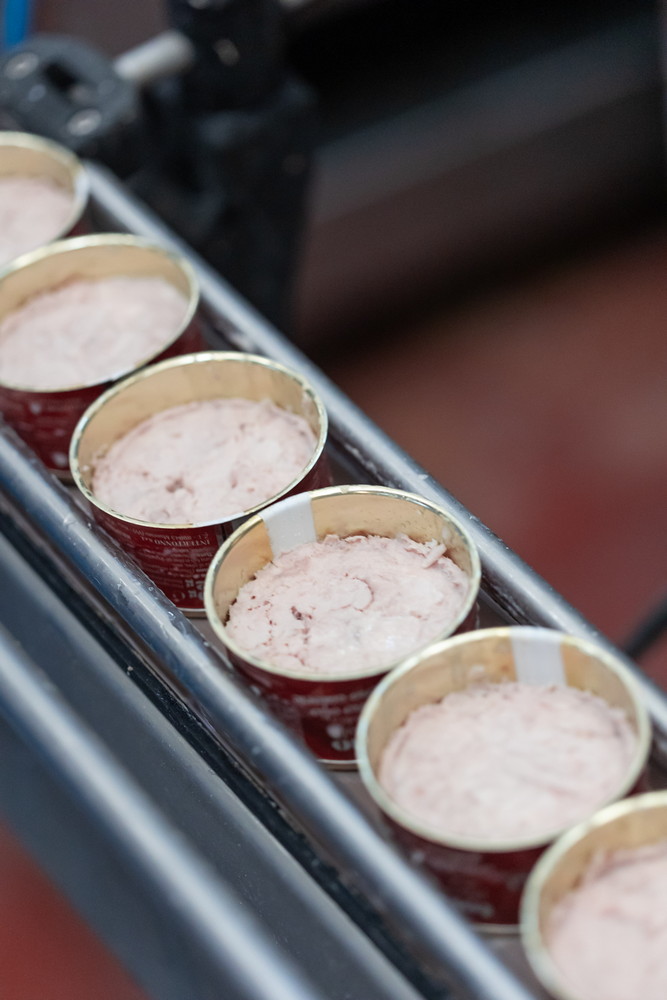
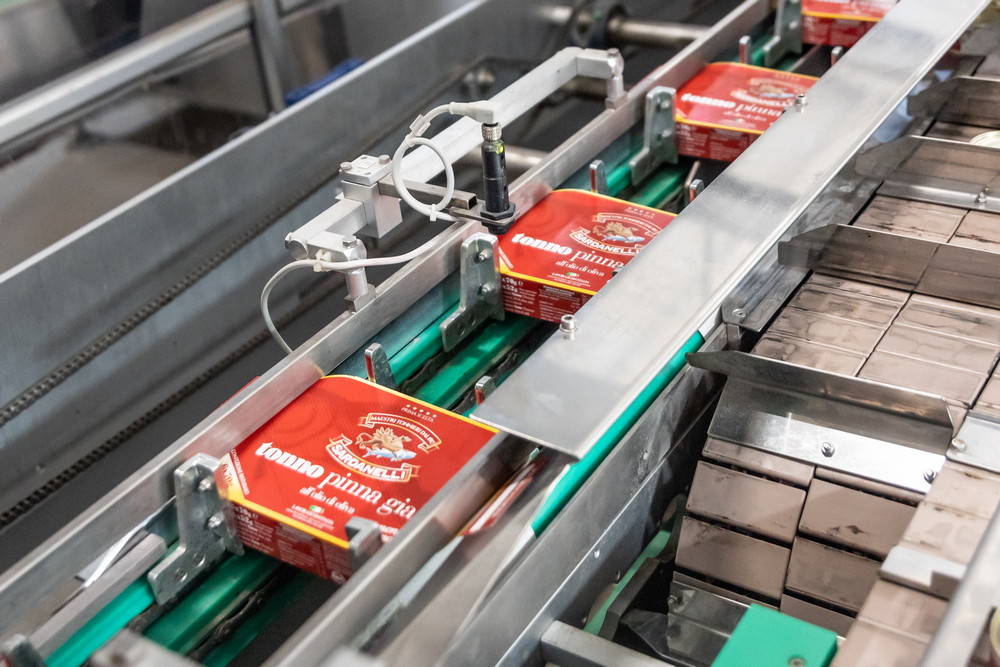
For cans, the canning process consists of filling the cans, followed by salting, topping up and seaming, meaning the hermetic sealing of the cans. Filling is carried out either automatically or manually, depending on the format. The larger formats, weighing more than 1,700 g, are filled by hand, while for smaller cans the operators are “only” responsible for feeding the filling line—a task that nevertheless requires considerable precision and skill.

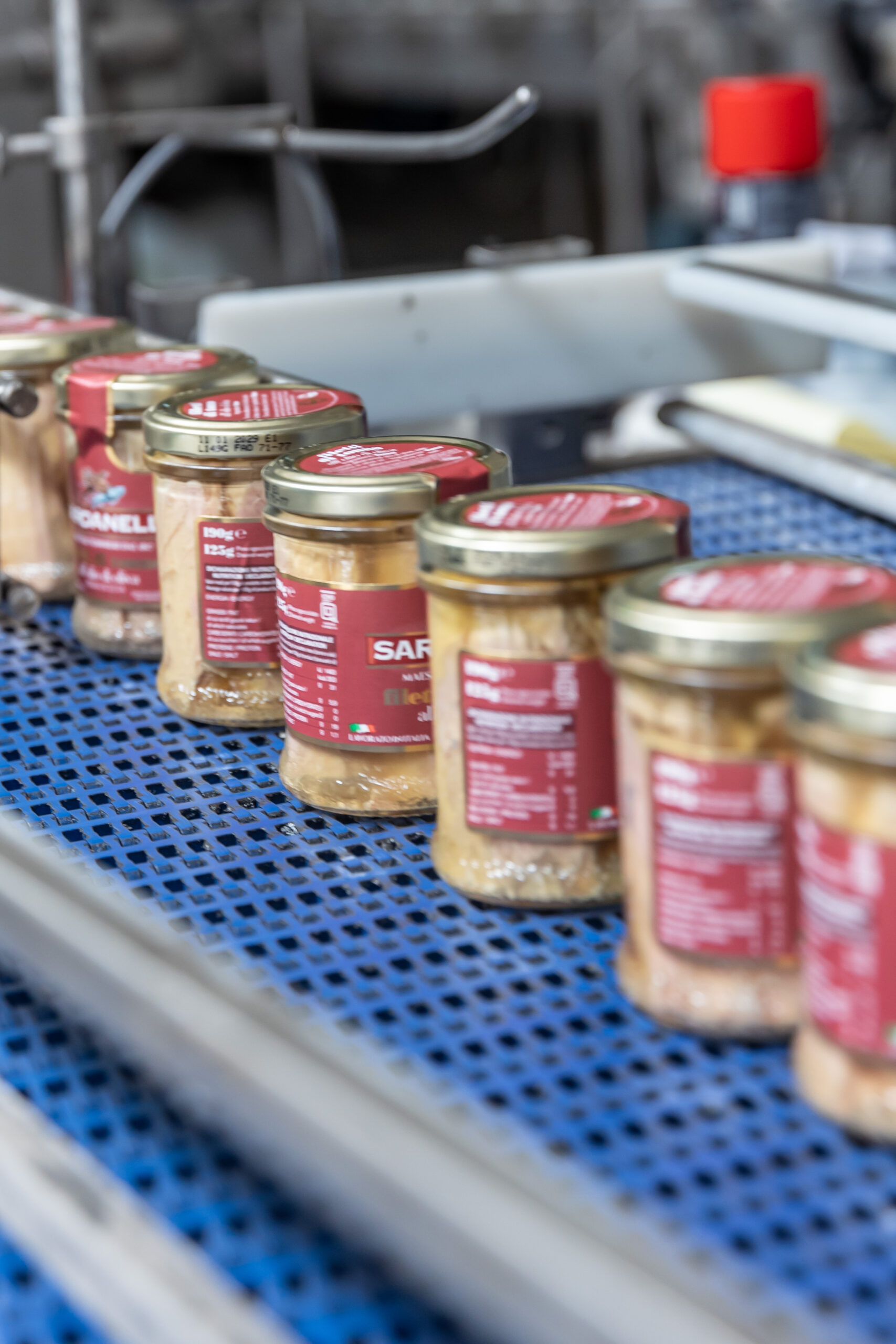
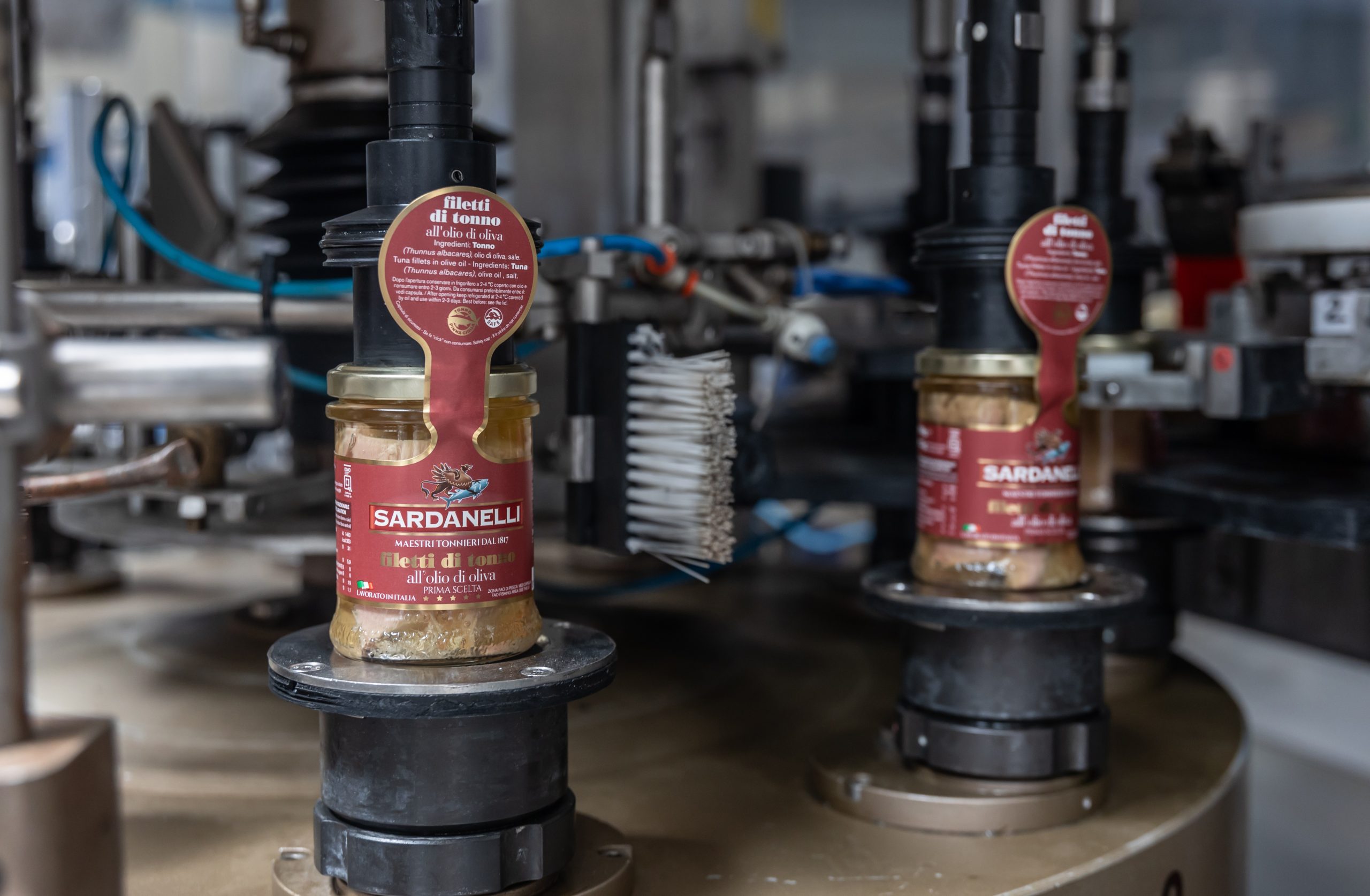
On the glass-jar line, the tuna, which has been cleaned and cut into fillets, is handed to the operators, who fill each jar by hand. The jars are then salted, topped up with oil and hermetically sealed. All these final stages are automated.

6. Sterilisation

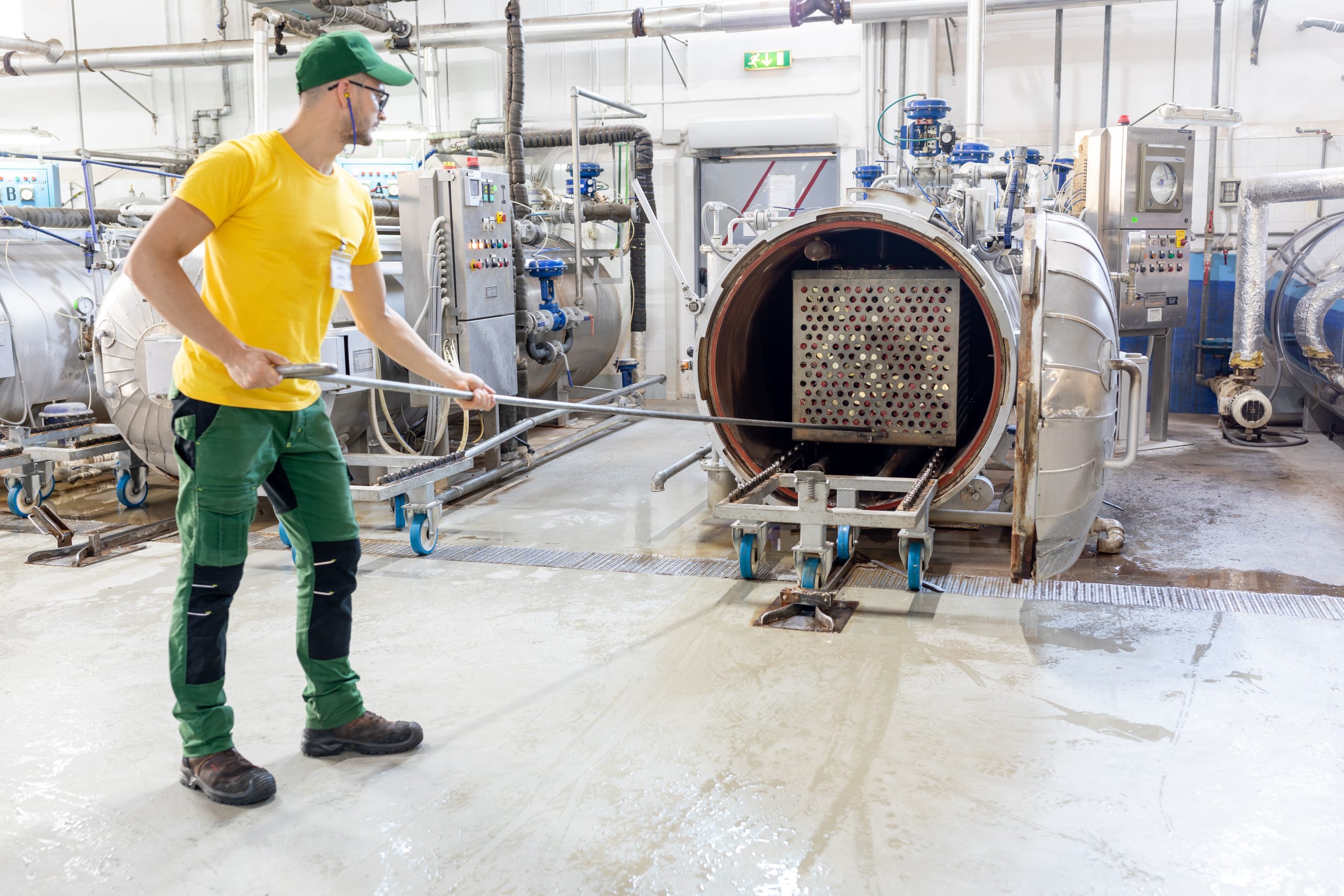
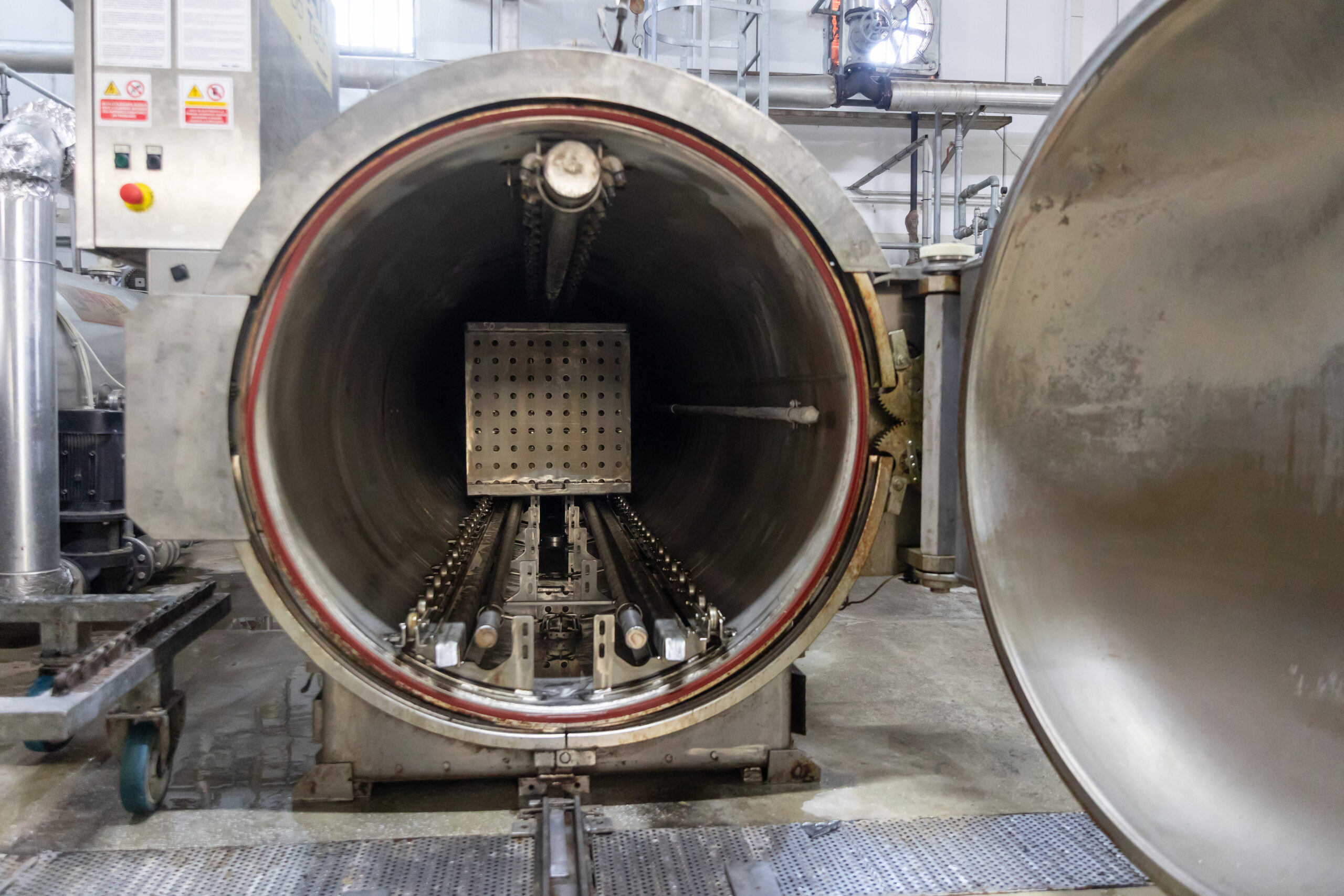
This is the heart of our production process. The tins and jars undergo a heat treatment that ensures the product remains preserved throughout its shelf life.

7. Packaging and labelling

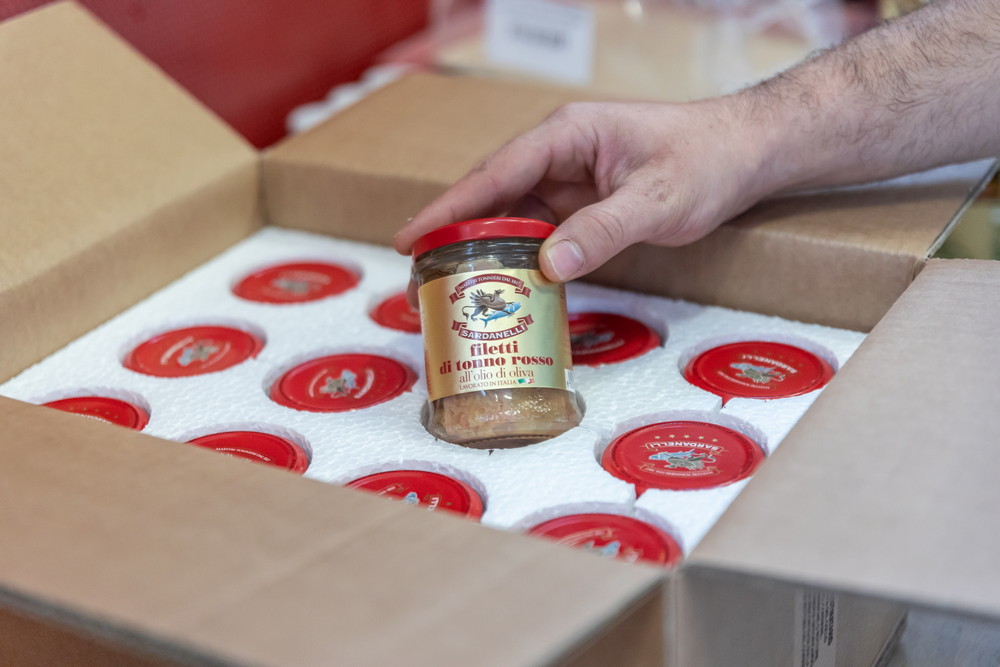
The tins and jars bear not only the production batch number but also all the information required by current legislation. They are packed in cartons or heat-shrink film, palletised and transferred to the storage warehouse.

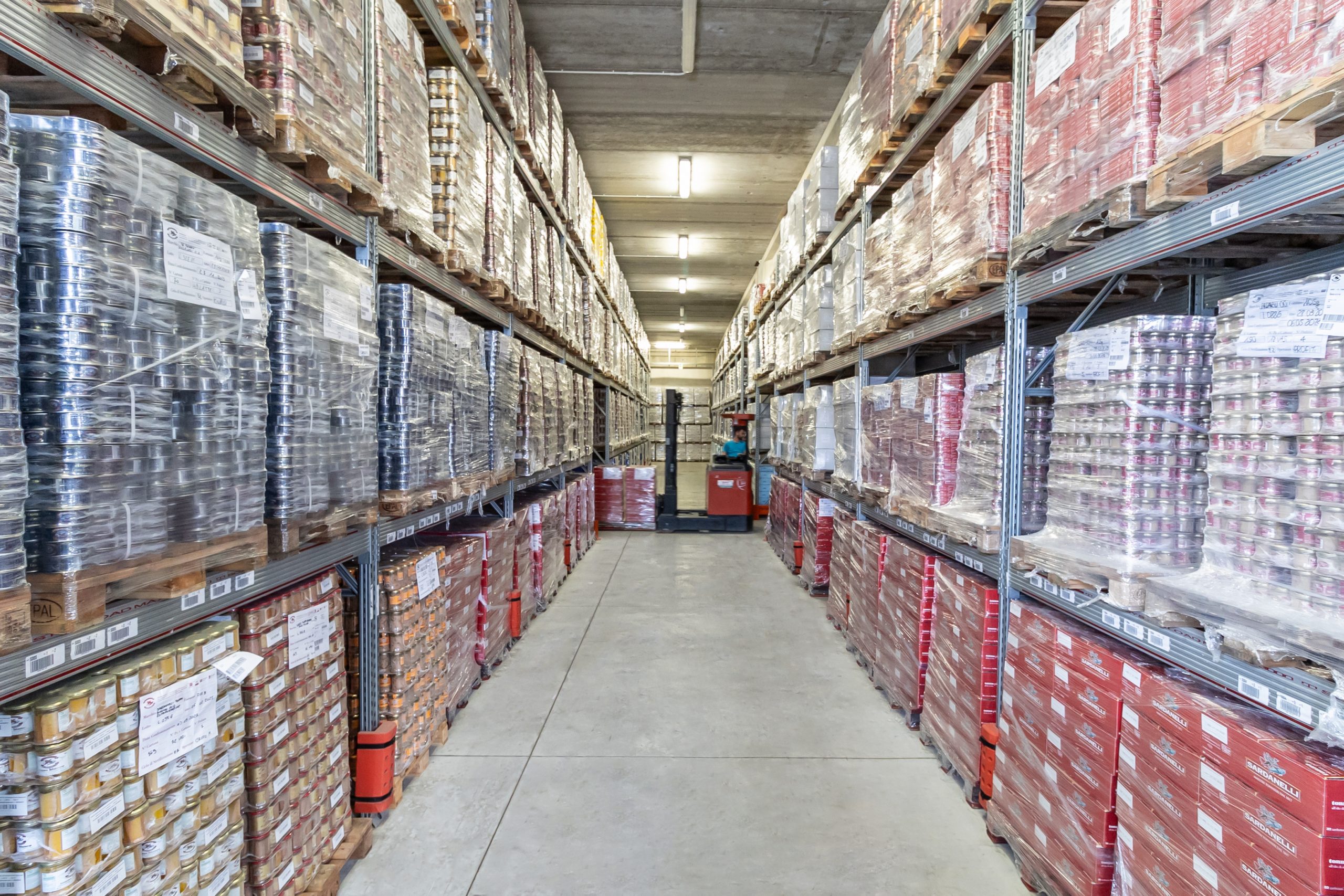
8. Storage of the finished product

The pallets remain in the storage warehouse for an appropriate maturation period, until they are ready for dispatch.

Take a look at our production process